Wound care monitoring is an important aspect of health care that needs expertise, skill, and empathy. For those just stepping into this area, understanding the basics can seem frustrating. Nevertheless, with the best support and training, any person can come to be skillful in reliable injury treatment methods. In this guide, we will delve deep into numerous elements of wound care management, including specialized training and finest methods for taking care of facility and chronic wounds.
Wound Care Monitoring Basics: A Beginner's Guide to Reliable Practices
The journey right into wound care management starts with an understanding of what constitutes proper injury care. Whether you're a nurse looking for innovative skills through wound treatment training courses or a person thinking about basic basic wound care training, developing a fundamental expertise is essential.
What is Wound Care?
Wound treatment describes the techniques and practices utilized to deal with injuries to the skin and underlying tissues. These injuries might include cuts, abrasions, surgical lacerations, and extra intricate conditions like ulcers or burns.
Types of Wounds
Acute Wounds: These are injuries that occur unexpectedly as a result of trauma. Chronic Wounds: These do not recover properly and can linger over time. Surgical Wounds: Arising from surgical procedures. Pressure Ulcers: Commonly located in immobile patients as a result of prolonged stress on the skin.Understanding these types aids in identifying the suitable treatment approach.
The Value of Reliable Injury Treatment Management
Effective wound care management is crucial for several factors:
- Preventing Infection: Appropriate techniques help reduce the threat of infection. Promoting Healing: Proper interventions encourage quicker healing times. Improving Top quality of Life: Well-managed injuries lead to much less discomfort and pain for patients.
Key Principles of Injury Treatment Management
Assessment
Before any therapy can begin, a detailed evaluation is essential. This includes assessing the kind, size, depth, and problem of the wound.
Cleansing
Cleaning the injury with saline or various other authorized services eliminates particles and bacteria.
Moisture Balance
Maintaining an optimum wetness level promotes recovery while protecting against maceration (softening) of surrounding skin.
Dressing Selection
Choosing the best clothing relies on numerous variables such as wound type and exudate level.
Training Opportunities in Wound Care Management
For those wanting to specialize even more around, numerous training programs are offered:
- Wound Treatment Expert Training Wound Care Educating for Nurses Wound Care Registered nurse Training Basic Wound Care Training Courses
Let's check out these options!
Wound Treatment Specialist Training
This program focuses on advanced strategies for treating intricate injuries. It prepares individuals for roles that call for specific know-how in taking care of complicated situations typically seen in medical facilities or specialized clinics.
Curriculum Highlights
- Advanced evaluation techniques Treatment protocols for chronic wounds Patient education and learning strategies
Wound Treatment Training for Nurses
This course offers nurses with important skills needed in everyday method, particularly when handling people that have wounds as a key concern.
Key Knowing Areas
- Basic injury assessment Dressing changes Infection control measures
Basic Wound Care Training Courses
Ideal for beginners or non-medical employees who might experience injuries in daily situations-- this course covers essential principles without diving also deeply into technicalities.
Topics Covered
- Types of wounds First help basics When to look for specialist help
Understanding Complicated Wound Care
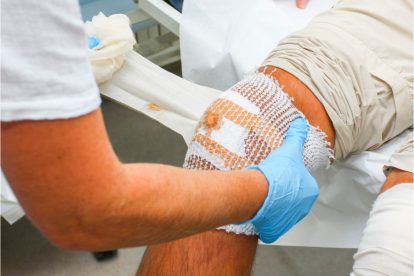
Complex injuries often require customized knowledge as a result of their nature or underlying conditions such as diabetes mellitus or vascular disease.


What Defines Complicated Wounds?
Complex injuries do not comply with normal healing patterns and might require substantial intervention over time. Comprehending their characteristics can assist treatment decisions effectively.
Strategies for Persistent Injury Treatment Management
Managing persistent wounds involves a multi-faceted method that includes patient education and routine tracking:
Regular check-ups Tailored therapy plans Lifestyle modificationsRole of NDIS in Injury Care
The National Handicap Insurance Plan (NDIS) has provisions that associate straight to individuals calling for ongoing clinical intervention as a result of chronic conditions leading to relentless wounds.
Best Practices in Nursing Injury Care Training
Nursing professionals profit significantly from organized training programs concentrated on useful skills appropriate in real-world setups:
Simulation-based learning Workshops led by seasoned practitioners Access to up-to-date resources* Infection Control Measures
Infection avoidance is paramount when handling any sort of injury; thus recognizing these measures is critical:
Hand hygiene protocols Use of personal safety tools (PPE) Sterilization techniques* Person Education And Learning Strategies
Educating people concerning their conditions equips them to take control over their wellness outcomes properly:
Teaching correct clothing change methods Discussing signs of infection Encouraging adherence to suggested treatmentsDocumenting Development in Injury Healing
Accurate documentation is essential for tracking progression in time and assisting in interaction amongst healthcare staff member:
Utilizing standardized forms Regularly updating person documents Maintaining clear communication channelsEmerging Technologies in Injury Management
Innovations such as telehealth assessments, clever dressings, and bioengineering materials are changing how healthcare providers come close to wound monitoring today.
* Telemedicine's Influence on Wound Care
Telemedicine permits professionals to consult remotely, making it possible for much better accessibility for patients unable to see facilities physically.
* Smart Dressings: The Future of Healing
Smart dressings furnished with sensing units can keep an eye on moisture degrees and supply real-time information concerning the healing process.
Frequently Asked Concerns (FAQs)
1. What qualifications are needed for a wound care specialist?
To become a certified injury care expert, one generally requires nursing qualifications in addition to specialized training programs concentrating on advanced wound monitoring techniques.
2. How much time does it take to complete fundamental injury care training?
Basic wound care training courses typically last between eventually and numerous weeks depending upon whether they're part-time or permanent programs.
3. Can non-nurses take part in basic wound treatment training?
Yes! Lots of basic courses welcome participants from various backgrounds that wish to find out fundamental skills relevant in your home or work environments.
4. What ought to I seek when picking a course?
Consider aspects such as certification status, instructor qualifications, educational program significance, and choices for hands-on experience before registering in any kind of program connected to wound treatment management.
5. How usually should I transform a dressing on my injury?
Generally talking, dressings need to be wound care education altered regularly-- as soon as every couple of days-- yet always follow your doctor's particular referrals based on your specific case!
6. What duty does nutrition play in reliable injury healing?
Nutrition plays a vital duty; sufficient protein intake sustains cells repair work while vitamins like C & & An assist strengthen immune feature throughout recovery phases!
Conclusion
Embarking on the journey toward grasping effective methods within Wound Treatment Management Essentials furnishes you with vital skills that not only boost patient end results however also strengthen your confidence as a caretaker or expert! With comprehensive training alternatives available-- from standard training courses appropriate for newbies throughout specialized programs tailored especially toward complicated situations-- there's no scarcity of paths available today! By investing time right into finding out these basics together with continual improvement via functional application guarantees you remain at leading edge within this dynamic field!